|
Getting your Trinity Audio player ready...
|
Your vehicle’s drivetrain is a complex system, and one crucial component that often goes unnoticed until it fails is the CV joint. CV, or constant velocity, joints are essential for transferring power from your transmission to the wheels while allowing for smooth steering and suspension movement. When a CV joint begins to fail, it can lead to unsafe driving conditions and expensive repairs if left unaddressed. In this blog, we’ll explain how to know when a CV joint is bad, what causes these issues, and how CV axle replacement can restore your vehicle’s performance. We’ll also highlight why trusting professionals at Saw Mill Auto Alignment ensures your vehicle gets the care it deserves.
What is a CV Joint?
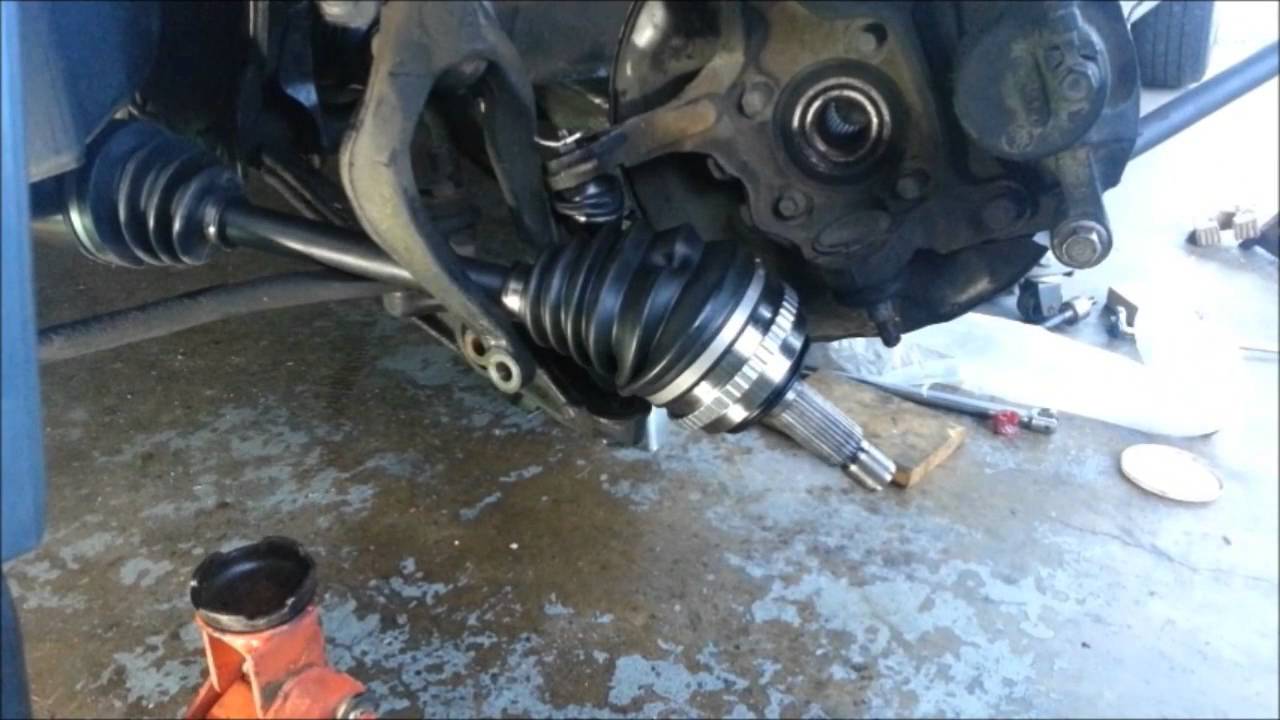
A CV joint is a flexible coupling that allows a drive shaft to transmit power through a variable angle at a constant rotational speed, without any significant increase in friction. CV joints are typically found on front-wheel drive and all-wheel drive vehicles, connecting the transmission to the wheels. They consist of two main types:
- Outer CV Joints – Located near the wheels, they allow for smooth turning while transferring power.
- Inner CV Joints – Positioned closer to the transmission, they accommodate the up-and-down motion of the suspension.
Together, these joints ensure that your wheels turn smoothly, even when the suspension is moving or the steering wheel is turned.
Common Signs of a Bad CV Joint
Recognizing a failing CV joint early can save you from a full breakdown. Here are the most common symptoms to watch for:
1. Clicking or Popping Noises While Turning
One of the most telltale signs of a worn outer CV joint is a clicking or popping noise when turning. The sound is usually more noticeable during sharp turns or when accelerating around corners. This occurs because the CV joint’s internal components are worn or damaged, causing metal-to-metal contact inside the joint.
2. Vibrations While Driving
If your CV joint is failing, you might feel unusual vibrations in your vehicle, especially when accelerating. These vibrations are caused by a damaged CV axle spinning unevenly. Ignoring these vibrations can lead to further damage to your suspension or other drivetrain components.
3. Grease Leaks Near the Tire
CV joints are protected by a rubber boot filled with grease. Over time, the boot can crack or tear, allowing grease to escape. If you notice grease splattered on the inside of your wheels or along the suspension components, it’s a strong indication that your CV joint is compromised.
4. Difficulty Steering or Handling
A damaged CV joint can affect your vehicle’s handling, making the steering feel less responsive or causing the car to pull to one side. This is a serious safety concern and should be inspected immediately.
5. Clicking While Accelerating
Some CV joint problems only manifest under acceleration rather than turning. A failing inner CV joint may cause a rhythmic clicking or knocking sound while accelerating in a straight line.
Causes of CV Joint Failure
Several factors can contribute to CV joint problems:
- Wear and Tear: CV joints endure constant motion and high torque, so they naturally wear out over time.
- Torn CV Boots: Damage to the protective boot allows dirt and moisture in while letting grease escape, accelerating wear.
- Driving Conditions: Rough roads, potholes, and heavy off-road use can stress CV joints beyond their limits.
- Lack of Maintenance: Ignoring minor signs, like small grease leaks, can turn a simple repair into a full CV axle replacement.
Why Timely CV Axle Replacement Matters
Once a CV joint fails completely, your vehicle may become undriveable. Continuing to drive on a failing CV joint can lead to:
- Loss of power to the wheels
- Damage to surrounding suspension components
- Costlier repairs than a simple CV axle replacement
Replacing the CV axle as soon as you notice symptoms ensures your vehicle remains safe and reliable. A CV axle replacement involves removing the damaged axle and installing a new one, which comes pre-equipped with fresh CV joints. This restores smooth handling, reduces vibrations, and prevents further drivetrain damage.
Why Choose Professional Services for CV Axle Replacement
While some DIY enthusiasts attempt CV joint repairs at home, proper replacement requires specialized tools and expertise. At Saw Mill Auto Alignment, our trained technicians provide thorough inspections and professional CV axle replacement services to guarantee your vehicle is road-ready. Benefits of professional service include:
- Accurate diagnosis of CV joint issues
- High-quality replacement parts for long-lasting performance
- Proper alignment to prevent uneven tire wear
- Safety assurance through rigorous testing
Preventative Maintenance Tips
Preventing CV joint failure is often easier and cheaper than fixing it. Here are some tips to extend the life of your CV joints:
- Regular Inspections: Have your CV joints and boots checked during routine maintenance.
- Address Leaks Promptly: Don’t ignore torn boots or grease leaks—they accelerate wear.
- Drive Carefully: Avoid aggressive turns, rapid acceleration, and rough terrain when possible.
- Professional Alignment: Regular alignment services at places like Saw Mill Auto Alignment reduce unnecessary stress on your CV joints.
Conclusion
Knowing the signs of a bad CV joint can prevent unexpected breakdowns and costly repairs. From clicking noises and vibrations to grease leaks and handling issues, paying attention to your vehicle’s signals is crucial. A timely CV axle replacement performed by experienced professionals, like those at Saw Mill Auto Alignment, ensures your car remains safe, reliable, and smooth on the road. Don’t wait until a minor issue turns into a major problem—inspect, maintain, and replace your CV joints as needed for optimal vehicle performance.