|
Getting your Trinity Audio player ready...
|
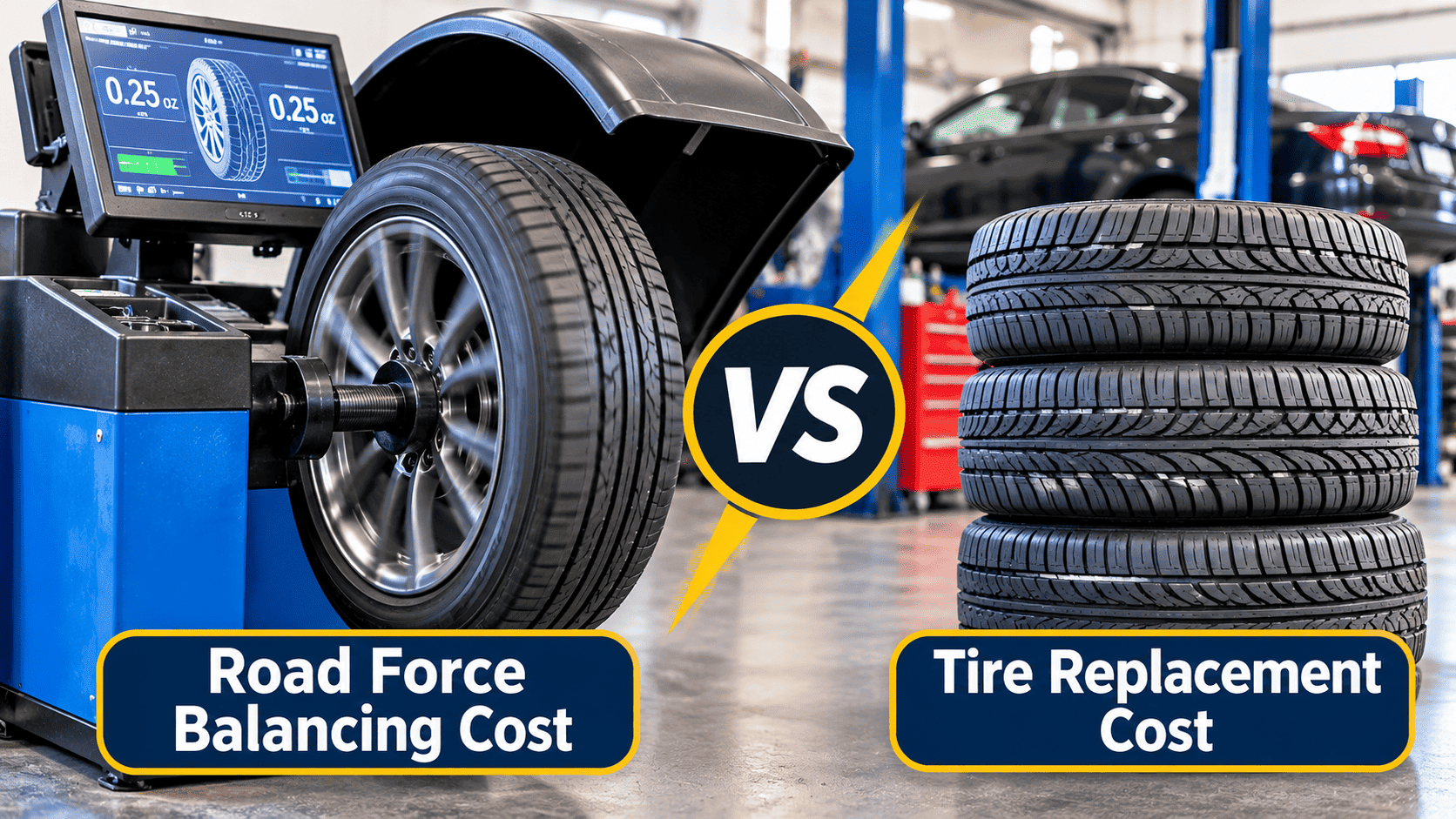
The expense of maintaining a car is one of the critical factors in maintaining safe and trouble-free driving. There are two typical services that are confused by vehicle owners: road force balancing and tire replacement. They both enhance the quality of the ride, yet the price of the two is very different. While replacing tires is a substantial expense, road force balancing saves money, making it a cheaper way to eliminate vibrations without buying new tires. Here in this guide, we have disaggregated each service, provided a picture of the typical prices, and assisted you in making up your mind as to when you should opt to go one or the other.
Road Force Balancing Cost
Road force balancing is an expert service that fixes tire and wheel flaws to minimize vibrations. Before delving into the precise expenses, it is pertinent to discuss what it is, its importance, as well as its advantages.
Read along:
Why It Costs More Than Standard Balancing
Road force balancing is more costly than the usual balancing because it involves special machines, trained technicians, and requires more time to complete the balancing process. It is aimed at specific problems that cannot be achieved by other mechanisms, and hence, the price explains why it is more expensive for those drivers who want the best performance.
Typical Price per Tire
The average cost of balancing tires on the road force is dependent on the tire size and the shop, and is typically between $ 40 and $ 100. High-end cars or bigger tires would be more expensive.
| Service | Cost per Tire (USD) |
| Road Force Balancing | $40-$100 |
Price for a Set of 4 Tires
A full set of four tires is usually costly to balance, between 160 and 300 dollars. Other stores sell at cheaper or more expensive rates based on the location, tires, and car model.
| Service | Cost for 4 Tires (USD) |
| Road Force Balancing | $160-$300 |
Factors That Affect Road Force Balancing Cost
Prices depend on the type of vehicle, tires, the availability of machines in shops, and the expertise of the shop. Luxury or sports cars might be more expensive because they need specialized handling.
- Pros of Road Force Balancing
- Reduces vibrations
- Extends tire life
- Improves ride quality
- Identifies problems of standard balancing.
When You Should Consider It
Look at road force balancing when your tires are new and you sense that they are vibrating, or when you have fitted new tires. It is also useful in performance cars where smooth handling is a requirement.
Tire Replacement Cost
Tire replacement is defined as a process that involves the purchase and installation of tires. Although this is more costly than balancing, it is needed to use when tires are worn or damaged. We will check the prices, the cost of installation, and the aspects of the total cost.
Read along:
Average Price Per Tire
A single tire will cost differently in accordance with the type and brand. Normal tires are priced at 100-300 dollars, whereas high-end tires are priced higher.
| Tire Type | Cost per Tire (USD) |
| Standard | $100-$300 |
| Premium/Specialty | $250-$500+ |
Installation Costs
The additional costs include mounting and balancing, which is usually worth between $15-$50 per tire. Other stores offer this when buying tires.
| Service | Cost per Tire (USD) |
| Mounting & Balancing | $15-$50 |
Total Cost for a Set of 4 Tires
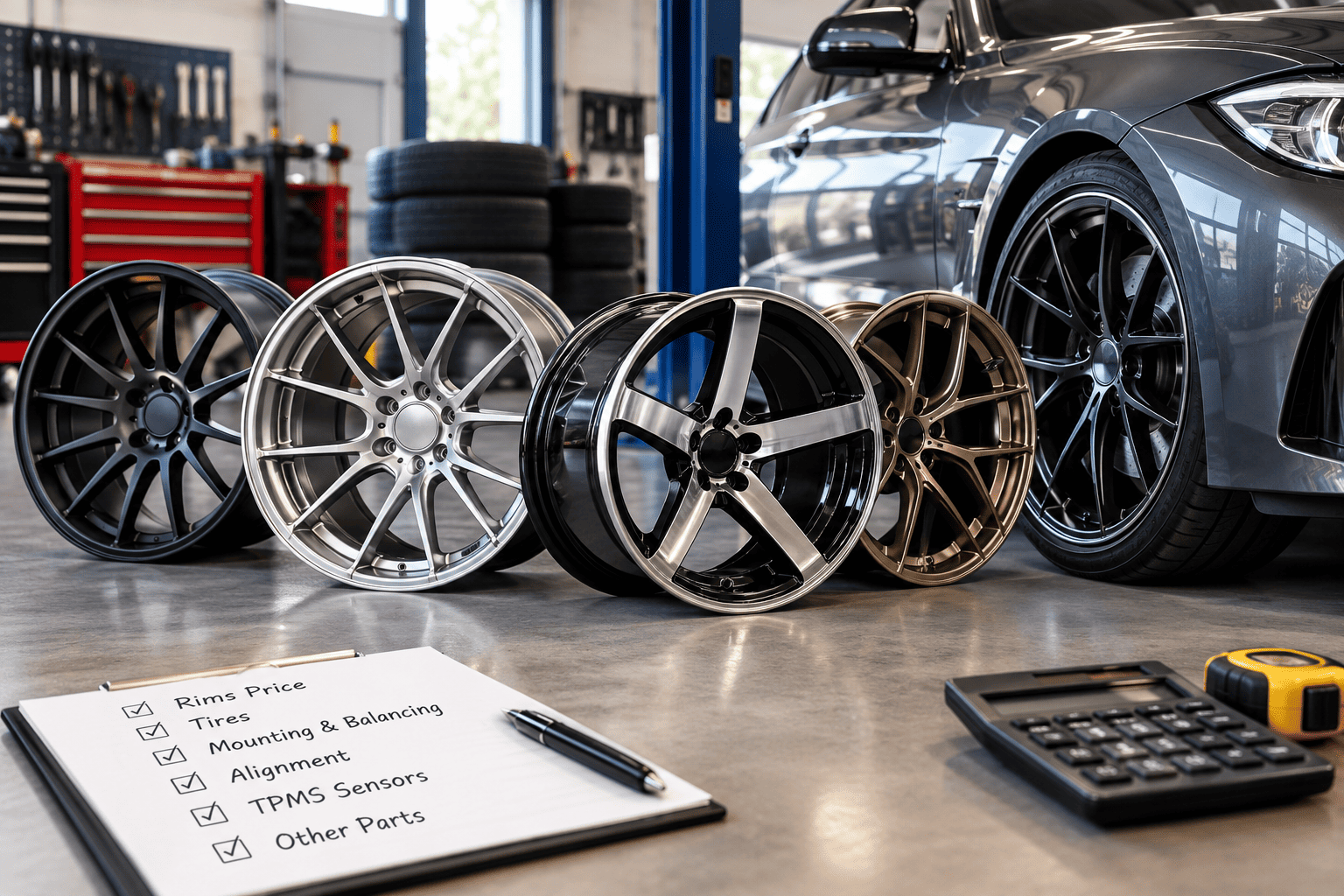
Installation of a full set of new tires will cost between 500-1400, depending on the brand of tires, type of tire, and the fee of the shop.
| Service | Total Cost for 4 Tires (USD) |
| Replacement (including installation) of tires. | $500-$1,400 |
Factors that influence tire prices
The prices depend on the brand, size, type of performance, location of the shop, and the needs of the vehicle. Off-road tires, winter tires, or high-performance tires are more likely to be expensive.
When You Should Replace Tires
Change tires in case of low tread, damaged tires, cracks, or bulges. Periodic checks of safety and replacement help to avoid accidents and wear.
Conclusion
Tire replacement and road force balancing are used for different purposes. Fixing vibrations and enhancing the ride quality without necessarily acquiring new tires is best done through balancing, whereas worn or damaged tires require replacement. Knowledge of costs will aid in decision-making. Between safety and performance: compromise where necessary, substitute where necessary. When a facility is properly maintained, it costs less, increases handling, and eliminates future problems. The two services are crucial to vehicle life.
FAQs
What causes tire vibrations?
Vibrations are caused by imbalanced tires, hard spots, or runouts of the wheels.
Does it come with new tires and installation?
Sometimes, there is even some form of installation that is not necessarily free.
What is the frequency of tire balancing?
Balancing is done on each rotation or replacement to ensure smooth performance.
Can road force balancing fix vibrations without replacing tires?
Yes, road force balancing can reduce vibrations caused by tire and wheel imbalances, helping avoid unnecessary tire replacement.
Is road force balancing worth the extra cost?
Yes, it is worth the cost when standard balancing fails to eliminate vibrations, as it can identify hidden tire and wheel issues.