Regular vehicle care is one of the best ways to protect performance, reliability, and safety. Preventive maintenance helps us identify worn components and developing problems before they turn into expensive breakdowns. Instead of waiting for a warning light or mechanical failure, we can follow a consistent maintenance plan based on mileage, vehicle age, driving conditions, and manufacturer recommendations.
What Is Preventive Maintenance?
Preventive maintenance is routine vehicle service performed to keep essential systems operating correctly. It includes inspections, fluid services, adjustments, replacements, and scheduled maintenance designed to reduce premature wear and unexpected failures.
A professional auto preventive maintenance service may include oil changes, fluid checks, tire service, brake inspections, battery testing, filter replacement, belt inspections, and a complete vehicle evaluation.
Preventive Maintenance Near Me
When searching for preventive maintenance near me, vehicle owners typically want convenient service from experienced automotive professionals. A reliable service center can review the vehicle’s condition and maintenance history before recommending necessary services.
Regular inspections also make it easier to discover small problems early. A worn belt, weak battery, low fluid level, or uneven tire wear may be easier and less expensive to address before it develops into a major failure.
Vehicle Maintenance Checklist
A vehicle maintenance checklist helps us stay organized and avoid missing important services. Common maintenance tasks include:
- Oil change and fluid checks
- Tire rotation and alignment
- Battery inspection and replacement
- Brake system inspection
- Air filter and cabin filter replacement
- Coolant and transmission fluid service
- Belt and hose inspection
- Multi-point vehicle inspection
The exact maintenance intervals should follow the vehicle’s manufacturer-recommended maintenance schedule and account for driving conditions.
Oil, Fluids, and Filter Service
Regular oil change and fluid checks are essential for maintaining engine and drivetrain performance. Engine oil lubricates moving components and helps manage heat and contaminants. Other fluids, including coolant, brake fluid, and transmission fluid, also play important roles in vehicle operation.
Air filter and cabin filter replacement should also be included in routine maintenance. A clean engine air filter supports proper airflow, while a clean cabin filter helps improve interior air quality.
Tire and Brake Maintenance
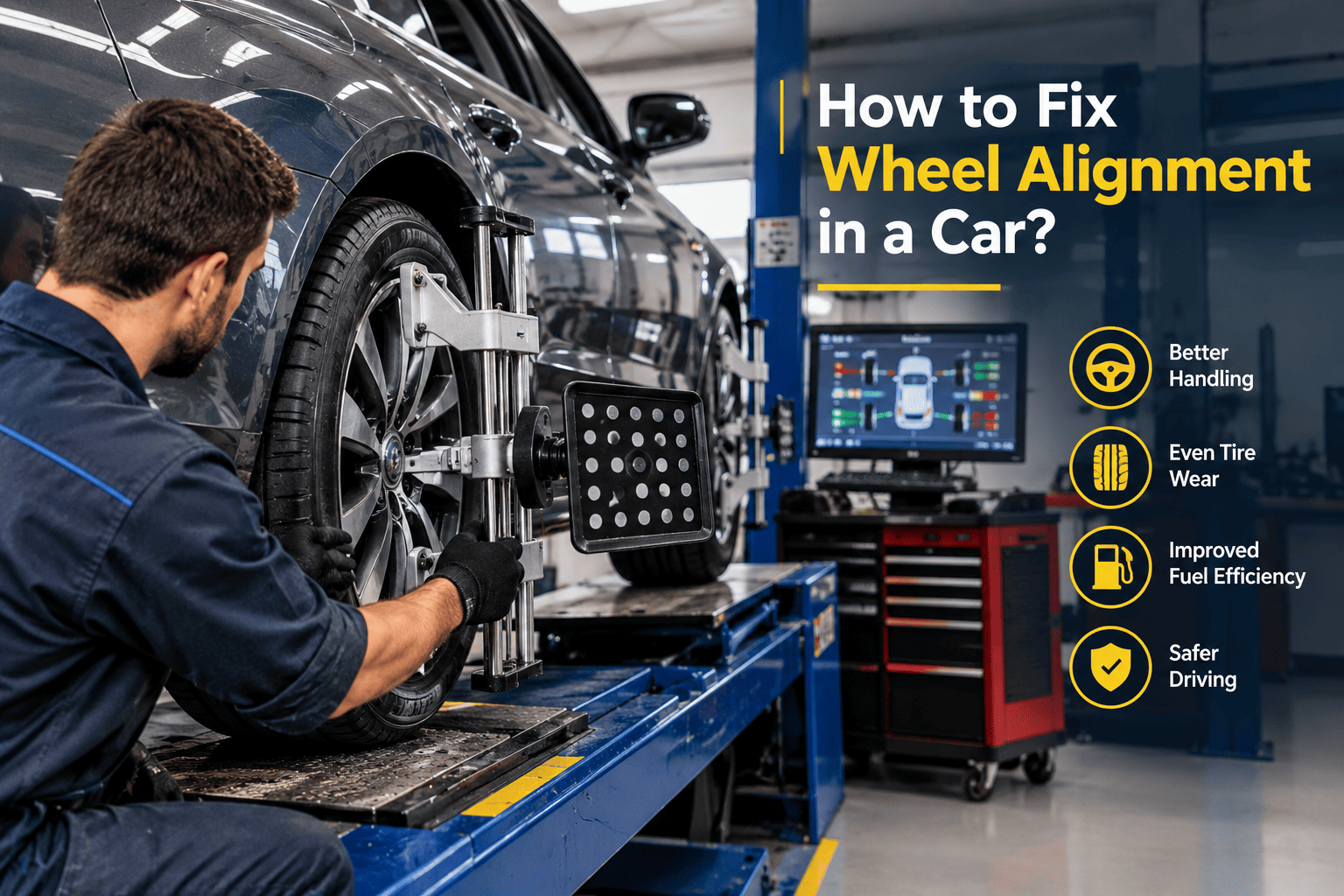
Tire rotation and alignment can help promote even tire wear and maintain predictable handling. Uneven tread wear, steering vibration, or pulling may indicate alignment or suspension issues that deserve inspection.
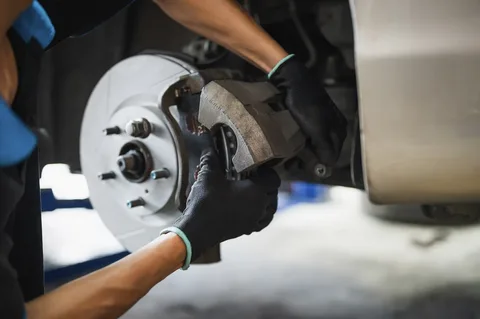
A regular brake system inspection is equally important. We check brake pads, rotors, calipers, fluid, and other components for excessive wear or damage. Squeaking, grinding, vibration, or changes in pedal feel should be addressed promptly rather than ignored.
Battery and Belt Inspection
A weak battery can leave a vehicle unable to start, while worn belts can affect important engine accessories. Battery inspection and replacement helps identify declining battery performance before a starting failure occurs.
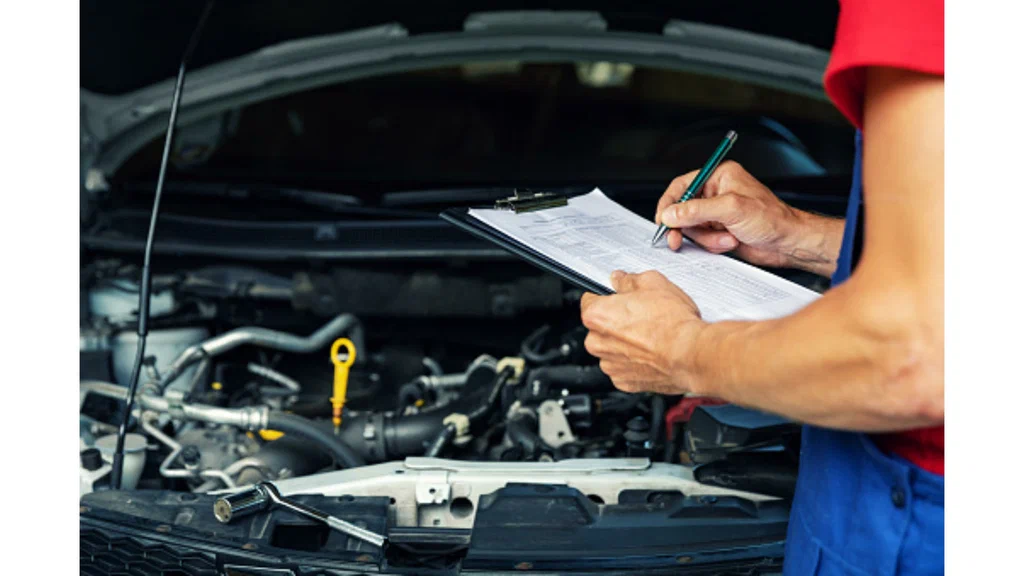
We also recommend timing belt and serpentine belt inspection according to the vehicle manufacturer’s requirements. Timing belt service is especially important because failure can cause serious engine damage on certain engines.
Preventive Maintenance Inspection
A professional preventive maintenance inspection provides a broader look at the vehicle’s condition. During a multi-point vehicle inspection, technicians can examine tires, brakes, fluids, belts, hoses, suspension, steering, battery, lights, and other important systems.
This makes it easier to prioritize repairs. Safety-critical concerns can be addressed immediately, while minor wear can be monitored and scheduled for future service.
Preventive Maintenance vs Reactive Repair
The key difference between preventive maintenance vs reactive repair is when the problem is addressed. Preventive maintenance attempts to identify and correct wear before failure occurs. Reactive repair happens after a component has failed or symptoms have become obvious.
Preventive maintenance cannot prevent every possible breakdown, but it can reduce avoidable failures and help us better manage vehicle ownership expenses.
High-Mileage and Seasonal Maintenance
Preventive maintenance for high-mileage vehicles becomes increasingly valuable as components age. Older vehicles may require closer inspection of hoses, belts, suspension components, cooling systems, seals, batteries, and fluids.
We should also follow practical seasonal vehicle maintenance tips. Before extreme heat, cold, or long road trips, checking tires, battery condition, coolant, wipers, lights, and fluid levels can help prepare the vehicle for demanding conditions.
Preventive Maintenance Cost
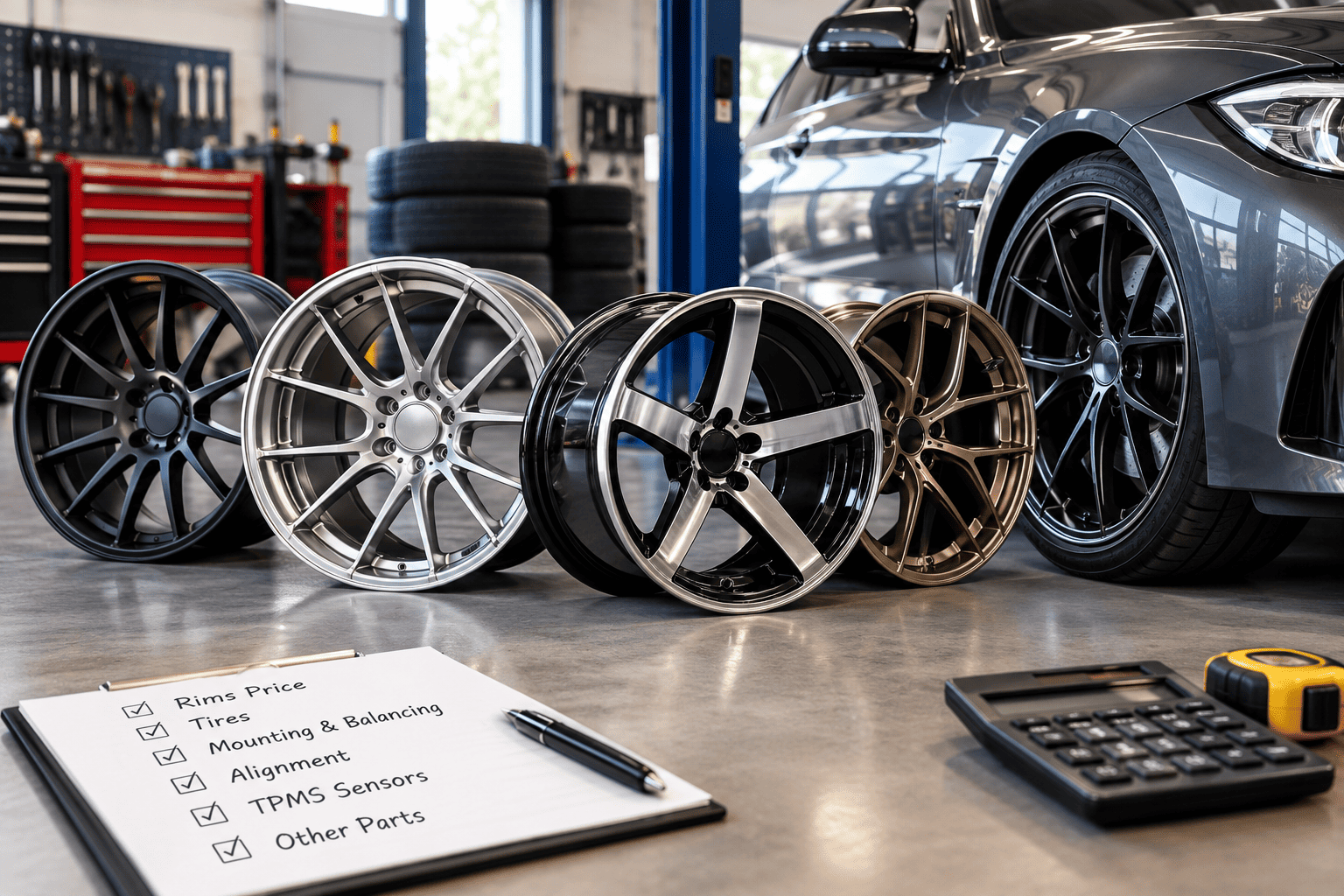
The preventive maintenance cost varies according to vehicle type, mileage, required services, parts, labor, and existing wear. Routine maintenance is generally easier to budget for than unexpected major repairs.
For businesses, a fleet preventive maintenance program can organize service intervals for multiple vehicles, helping reduce downtime and keep important vehicles operating reliably.
Keep Your Vehicle Running Smoothly
Consistent preventive maintenance helps us stay ahead of wear, improve reliability, and reduce the likelihood of unexpected breakdowns. From oil changes and tire service to brake inspections, battery checks, belt inspections, and fluid maintenance, each service contributes to long-term vehicle health.
By following a practical preventive maintenance schedule and the manufacturer’s recommendations, we can identify problems earlier, plan repairs more effectively, and keep our vehicles safer and more dependable for the road ahead.
Final Thoughts
Consistent preventive maintenance is one of the simplest ways to protect vehicle performance, safety, and long-term reliability. Regular oil changes, fluid checks, tire service, brake inspections, battery testing, filter replacement, and multi-point inspections allow us to identify developing problems before they become expensive repairs. By following a proper preventive maintenance schedule and manufacturer recommendations, we can reduce unexpected breakdowns, extend the life of important components, and keep our vehicles running smoothly and reliably for years to come.